
Cancelling your registration will remove your access to the event. If you proceed, you will no longer be able to participate or access event-related materials.
Deleting your account will remove your access to the event.
Stay tuned for the agenda to be announced this fall. Can’t make it in person? The mainstage sessions will be livestreamed.
 Regency Ballroom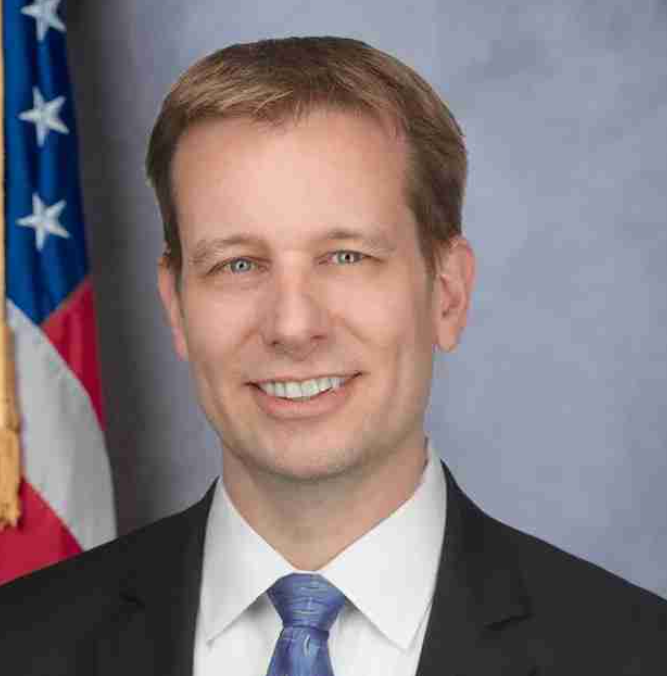
Tom Keane
Assistant Secretary for Technology Policy, National Coordinator for Health Information Technology, ASTP/ONC</span >
Dr. Thomas Keane serves as the ninth National Coordinator for Health Information Technology. An engineer and physician, Dr. Keane previously served in ONC and also as a Senior Advisor to the Deputy Secretary of HHS. Among other duties, he was an administrator of the COVID-19 Provider Relief Fund and lead the development of the AHRQ National Nursing Home COVID Action Network. Dr. Keane worked as a finite element software developer and enterprise software engineer prior to training as an interventional radiologist.
Regency Ballroom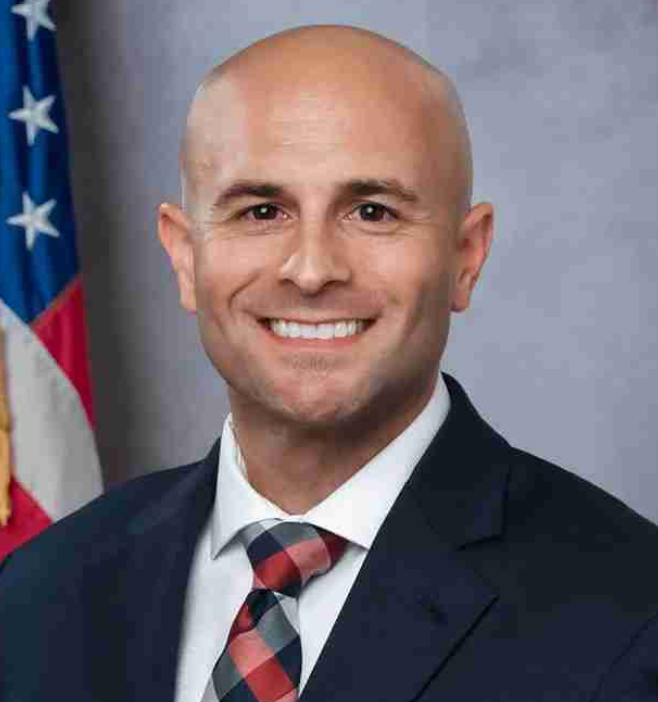
Steven Posnack
Principal Deputy Assistant Secretary for Technology Policy, Principal Deputy National Coordinator for Health Information Technology The Office of the National Coordinator for Health IT, ASTP/ONC</span >
Steven Posnack serves as the Principal Deputy National Coordinator for Health Information Technology. In this role, he advises the National Coordinator for Health IT, leads the execution of ONC’s mission and represents its interests at a national and international level. In conjunction with the National Coordinator, Steve oversees ONC’s federal policy coordination, regulatory development, public-private initiatives, and the HHS-wide functions led by HHS’ Chief Technology Officer, Chief Data Officer, and Chief Artificial Intelligence Officer.
Over his nearly 20-year career with ONC, Steve has led and created initiatives in a variety of technology and policy positions, including serving as the Deputy National Coordinator for Health IT, Executive Director of the Office of Technology, Director of the Office of Standards and Technology, Director of the Federal Policy Division, and Senior Policy Analyst.
During his tenure, Steve has led the development and implementation of key initiatives enabled by the HITECH Act (2009) and 21st Century Cures Act (2016). This includes the creation of the US Core Data for Interoperability (USCDI) and the USCDI+ program, the formulation and administration of the Trusted Exchange Framework and Common Agreement (TEFCA), the Federal Health IT Strategic Plan, and the publication and establishment of the Interoperability Standards Advisory (ISA) and Standards Version Advancement Process. He has also played critical role in ONC’s policy initiatives, including the establishment and implementation of its regulatory provisions, which span standards adoption, the administration of the Health IT Certification Program, the information blocking regulations, and TEFCA processes. Steve’s leadership of ONC’s standards and technology investments include the launch of the Leading Edge Acceleration Projects (LEAP) cooperative agreement program, the redesign of ONC’s Certified Health IT Product List (CHPL), the establishment of the Interoperability Proving Ground, and development of the C-CDA Scorecard, Inferno, and Lantern testing tools. Earlier in his career, Steve played a lead role in HHS’ establishment of the Medicare and Medicaid EHR Incentive Programs (“meaningful use”). He also led a cross-HHS policy team that worked with the Drug Enforcement Agency (DEA) as it developed its first regulation to permit electronic prescribing of controlled substances (EPCS) and co-authored the Nationwide Privacy and Security Framework for Electronic Exchange of Individually Identifiable Health Information.
Mr. Posnack earned a bachelor’s degree in computer science from Worcester Polytechnic Institute, a master’s degree in security informatics from Johns Hopkins University Information Security Institute, and a master’s degree in health policy from Johns Hopkins University Bloomberg School of Public Health. He also maintains a Certified Information Systems Security Professional (CISSP) certificate.
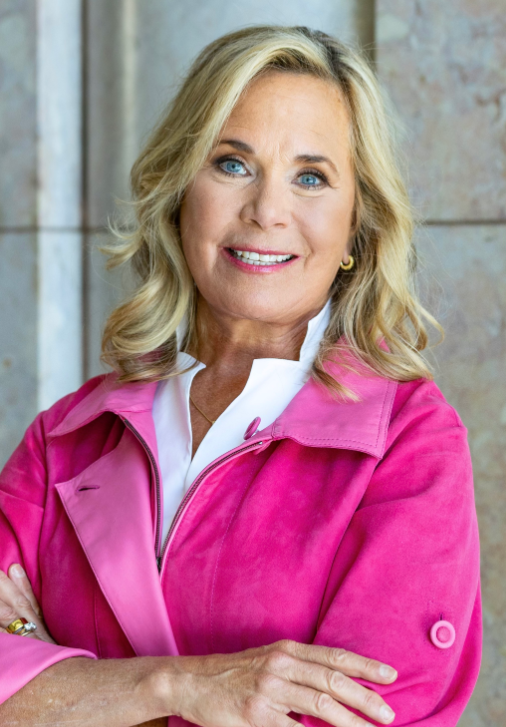
Cynthia Fisher
Founder and Chairman, PatientRightsAdvocate.org</span >
Cynthia A. Fisher is Founder and Chairman of PatientRightsAdvocate.org, a nonprofit, non-partisan policy and research organization seeking healthcare price transparency. Her organization advocates for upfront prices systemwide, with payment and billing integrity to those prices, to empower American consumers – patients, employers, unions, and taxpayers – to lower healthcare costs through a functional marketplace. She is also Co-Founder and Chairman of PowertothePatients.org, a nonprofit advocacy organization that generates public awareness on how upfront prices can lower costs and protect patients.
Cynthia has worked relentlessly to deliver healthcare price transparency to consumers, resulting in an Executive Order and rulemaking requiring actual, upfront prices. She and her team continue their efforts to strengthen and codify measures to usher in a functional healthcare market that will empower consumers with choice and competition. Cynthia is best known for her pioneering work as Founder and CEO of ViaCord, Inc., a leading, price transparent umbilical cord blood stem cell banking company that she started in 1993. In 2000, she co-founded and was president of the cellular medicines company, ViaCell, Inc., of which ViaCord became a division. ViaCell went public in 2005, was acquired by PerkinElmer, and exists today under the ViaCord brand. Cynthia serves on the public company boards of the Boston Beer Company, Inc. and Easterly Government Properties, Inc. She co-founded and is Chair Emeritus of Fitmoney.org, a financial literacy nonprofit. She serves on the Florida Council of 100, the board of the National Park Foundation, the Library of Congress Trust Fund Board, and previously served on the Water.org board.
Cynthia holds an MBA from Harvard Business School and a BS and honorary Doctorate of Science from Ursinus College.

Colin Banas
Chief Medical Officer, DrFirst</span >
Colin Banas joined DrFirst as Chief Medical Officer in 2019 after spending 17 years as Chief Medical Information Officer at VCU Health System, where he also practiced as an internal medicine hospitalist. He has testified before the U.S. Senate and the Office of the National Coordinator on health IT and Meaningful Use, and previously served as a Health IT Fellow at the ONC.
At DrFirst, Colin drives innovation in medication workflows, focusing on non-disruptive decision support that creates better experiences for providers and patients. He's particularly interested in how AI can reduce clinical burnout and improve patient outcomes.
Colin received the 2017 HIMSS-AMDIS Physician Executive of the Year award. He holds a bachelor's degree from the University of Virginia, an M.D. from Eastern Virginia Medical School, and an M.H.A. from Virginia Commonwealth University.
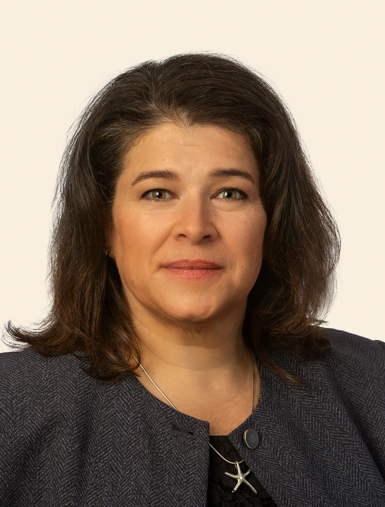
Jocelyn Keegan
VP, Aetna Interoperability, Aetna</span >
Jocelyn Keegan is the Vice President of Interoperability at Aetna, a CVS Health Company. She leads efforts to integrate strategic vendor partnerships and platforms like Epic, Arcadia, and Athena. Her responsibilities include developing and deploying standards-based APIs, price transparency initiatives, and compliance with the No Surprises Act. Jocelyn's work aims to simplify and standardize data exchange, enhancing collaboration between payers and providers to improve outcomes and reduce burdens for both providers and members. With over 30 years of experience, Jocelyn is known for her pragmatic leadership and ability to align resources with business objectives. She has a deep understanding of provider/payer workflows and has played a significant role in industry programs like HL7 Da Vinci, FAST, Gravity, and CodeX. Jocelyn is also active in her local community, serving on nonprofit boards and supporting local high school sports teams. She holds a Bachelor of Arts in American History from Smith College and lives south of Boston with her family.

Sumit Nagpal
Chair and CEO, Founder, Cherish</span >
Sumit is the CEO and founder of Cherish that develops advanced sensors and artificial intelligence combined with medical evidence and human touch. Cherish solutions improve the lives and enable the supported self-care of people aging or living with health challenges; our grandparents, parents, children, many of us.
Sumit is a serial entrepreneur and has co-founded and grown five digital health companies over the past two and a half decades that have tackled progressively bolder challenges facing our healthcare economies. He serves on important industry boards, including HIMSS and Health eVillages. He was most recently Global Lead for Digital Health Strategy at Accenture. And he is sought after for his expertise and unstoppable energy as an entrepreneur, change agent, strategist, and technology architect.
Regency BallroomTechnology is erasing the line between everyday life and clinical care. Between passive wearables monitoring 24/7 and instant diagnostics on your phone, patients are becoming agents of their own health. Unlocking this technologically based future will take all of us - including providers, payers, and innovators - working together to design what can be.
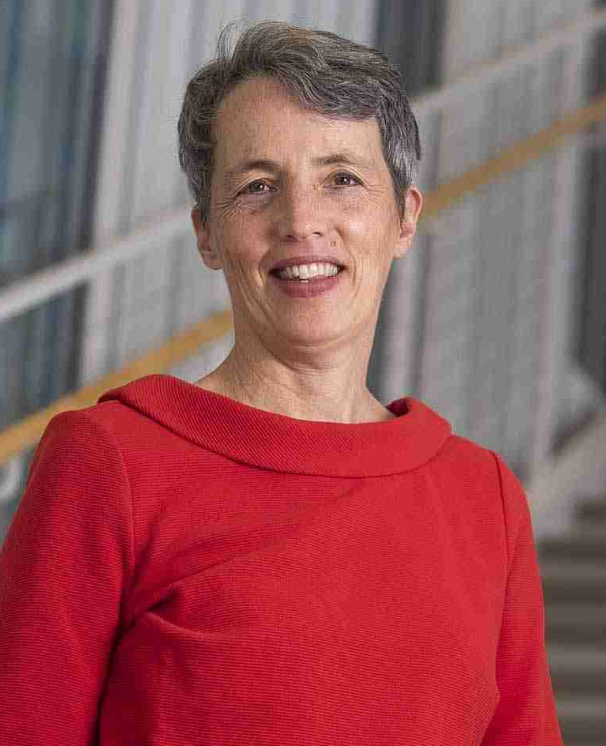
Sarah Szanton
Dean, Patricia M. Davidson Health Equity and Social Justice Professor, Johns Hopkins School of Nursing</span >
Sarah L. Szanton, PhD, RN, FAAN, is Dean of the Johns Hopkins School of Nursing and the Patricia M. Davidson Health Equity and Social Justice Endowed Professor. A visionary leader and idea entrepreneur, she co-developed the nationally recognized CAPABLE program, helping older adults age safely at home, and is now pioneering Neighborhood Nursing, a bold model for universal preventive care. Under Szanton's leadership, the school ranks No. 1 nationally by U.S. News & World Report for its master's, No. 2 Doctor of Nursing practice programs and No. 3 globally by QS World Rankings. Szanton launched the Policy Honors Program and the Institute for Policy Solutions to elevate nursing’s role in shaping health policy. She has testified on Capitol Hill and received honors including election to the National Academy of Medicine, a Heinz Award for the Human Condition, and recognition as a PBS “Next Avenue Influencer in Aging.
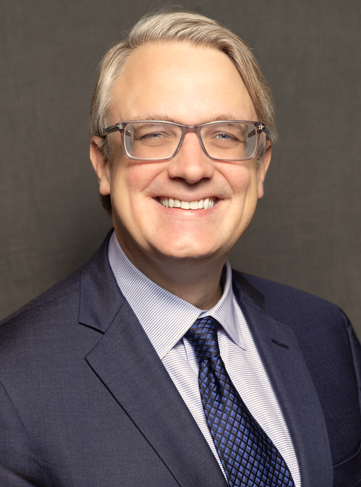
Kyle Zebley
Executive Director, ATA Action</span >
Kyle Zebley is Chief Executive Officer of the ATA, the catalyst for advancing innovation and the transformation of healthcare through virtual care, digital health, and AI-enabled care models. He also serves as Executive Director of ATA Action, the association’s advocacy arm and a leading voice driving federal and state policy change to support sustainable, modernized, digitally enabled healthcare.
As CEO, Kyle is committed to shaping the future of healthcare delivery through education, advocacy, and evidence-driven frameworks, powered by the collective intelligence of the ATA’s diverse membership. The ATA, under Kyle’s leadership, is focused on enhancing member-driven initiatives to empower collaborative solutions that support sustainable, modernized healthcare. Key member-led initiatives include the ATA Center of Digital Excellence (ATA CODE), special interest groups, councils that bring together top clinicians, healthcare executives, and policy experts, and innovative coalitions that are addressing some of the most high-profile challenges facing healthcare today.
Kyle joined the ATA in July 2020 as Senior Vice President of Public Policy and has since significantly expanded the organization’s policy and advocacy footprint, including overseeing the launch of ATA Action in 2022. As its founding Executive Director, a role he continues to hold, he leads bipartisan coalitions to advance meaningful federal and state policy wins, including preserving and extending critical telehealth flexibilities across Medicare, Medicaid, and commercial markets. He is a trusted advisor and policy advocate, fostering relationships with officials at The White House, key federal agencies, and bipartisan Congressional and state leaders to promote policies that expand telehealth and digital health access.
Kyle brings deep experience across state, federal, and global health policy, spanning both the executive and legislative branches of government. Prior to joining the ATA, he served as Chief of Staff in the Office of Global Affairs at the U.S. Department of Health and Human Services, overseeing global health security and international health diplomacy, and previously as Legislative Director to Congressman Tom Price, M.D.
Kyle is a frequent speaker and commentator on healthcare modernization and digital health policy.

Ben Wiegand
Science & Partnership Advisor, FLAGSHIP PIONEERING</span >
Benjamin C. Wiegand, Ph.D.
Ben is a Scientific & Partnership Advisor for the Preemptive Health & Medicine (PH&M) initiative at Flagship Pioneering. In this role, he works with PH&M leadership to develop pioneering solutions to protect, maintain, or improve people's health before they get sick. By doing this, we can extend healthy human lifespan by 10+ years for billions of people. Our focus is on four key areas: Cardiometabolic Health, Neurodegeneration, Immunology and Oncology. Our solutions comprise elements of prediction, detection and preemption, comprising digital, nutritional, behavioral and therapeutic diagnostics and interventions. Prior to this role, he was the Chief Scientific Officer of Lore Health, with a focus on understanding the biological and psychological underpinnings of the role of social networks in improving health and health outcomes. Also, Ben was the Founding Partner, Connected World Without Disease Accelerator (CWWDA), focusing on transforming the health care paradigm in healthcare from diagnosing and treating disease to identifying early risk for disease and intercepting disease processes. These efforts required the integration of many stakeholders, spanning scientific, clinical, regulatory, and commercial - all aligned to a vision, focused on the individual, creating wins for the patient, provider and payer together.
These efforts collectively build on the experience that he had working for the Chief Scientific Officer, United Health Group, where he gained unique insights into the problems confronting payers, especially problems of scale. Here, the innovation was on how to implement cost effective, patient engaging, clinically effective solutions in as frictionless of a way as possible. A critical part of this effort was working with the UHC and Optum Physician network to integrate these solutions with their practices. In addition, Ben spent 25 years at Johnson & Johnson (J&J) and Janssen focusing on developing innovative solutions for consumer health, employer wellness and pharmaceutical businesses. Included during this time was his efforts leading the World Without Disease Accelerator, developing successful pharmaceutical solutions as well as unique microbiome and digital health solutions.
Ben has a MA and Ph.D in Physical Chemistry from Harvard and loves spending time with his family, including his wife, four children and four grandchildren.

Mark Peterson
Chief Actuary, Nexben
Mark is a fellow with the Society of Actuaries and a member of the American Academy of Actuaries. Over the past twenty years, he has provided consultative services to a diverse spectrum of clients that include employers, payers, startup organizations, both state and federal governments. Mark has experience as the Chief Actuary of a regional payer, Optum Labs, and most recently a generative AI startup. When he’s not home with his wife (also a health actuary) and three children, Mark enjoys playing competitive soccer and has recently picked up the bad habit of running ultramarathons.
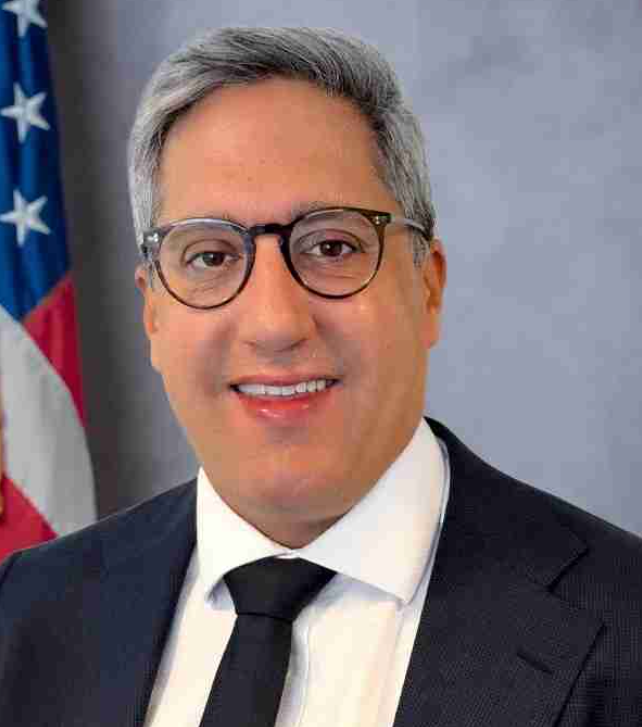
Mark Atalla
Deputy Assistant Secretary for Technology Policy, Deputy National Coordinator for Policy, ASTP/ONC</span >
Mark Atalla serves as Deputy Assistant Secretary for Technology Policy/Deputy National Coordinator for Policy. Mark most recently worked on how artificial intelligence can support people trying to improve their health, and the broader theme of how AI and personal devices can work in delegated financial risk models. He also brings experience from working at a large, distributed healthcare organization operating 2,000+ clinics across the U.S., and from pharmacy leadership roles spanning the pharmacy benefit management, community, and hospital pharmacy settings. Mark previously served as a Senior Advisor at CMS, first leading Medicare Advantage and Part D work at the CMS Innovation Center—the Part D Senior Savings, Part D Payment Modernization, and MA-Value-based Insurance Design (VBID) Models—and later in the CMS Office of the Administrator.
AmbassadorJoin the USCDI team for an overview of the data elements in the recently released USCDI Draft Version 7.

Sara Armson
ASTP/ONC
EmpireDiagnostic images, such as X-rays, CT scans, MRIs, and ultrasounds, are an important part of many people’s electronic health records. However, patients and health care providers still face challenges specific to access, exchange, and use of these diagnostic images across different health care settings.
ASTP/ONC recently released a request for information and is seeking public input on whether the adoption of technical standards and certification criteria would improve how diagnostic images are accessed, exchanged, and used through certified health IT. Feedback will help inform potential future rulemaking.
Join the ASTP team to share your thoughts on diagnostic imaging.
Wendy Noboa
ASTP/ONC
Elizabeth Turi
ASTP/ONC
Scott Bohon
ASTP/ONC
Ashley Hain
ASTP/ONC
Molly Prieto
ASTP/ONC
DiplomatAs TEFCA continues to take shape, organizations and agencies across the federal government and healthcare landscape are recognizing its value in achieving secure trusted health data exchange. This session will provide an overview of TEFCA’s current state of exchange and explore how participant engagement in TEFCA is advancing interoperable exchange. Hear from participants about why they have joined TEFCA and TEFCA’s next steps for the coming year.

Kara Justi
Value Delivery Leader, Cleveland Clinic</span >
Kara Justi is the IT Value Delivery Leader for Population Health and Community Integration for Cleveland Clinic. In this role, she leads interdisciplinary teams dedicated to supporting value-based care, home-based services, research initiatives, and advancing interoperability. With a deep expertise in Epic applications and multiple Epic certifications, Kara has a proven ability to streamline workflows and ensure clinical data is accessible to the right providers at the right time, enhancing patient care and outcomes.
Kara also serves as the Vice Chair of the TEFCA Participant Sub participant Caucus, a member of the inaugural TEFCA Governing Council, and a member of Epic’s Epic Nexus QHIN Governing Council. In these roles, she advocates for the balance between patient privacy, federal and state privacy laws, and the need for efficient patient data exchange to support clinical care.
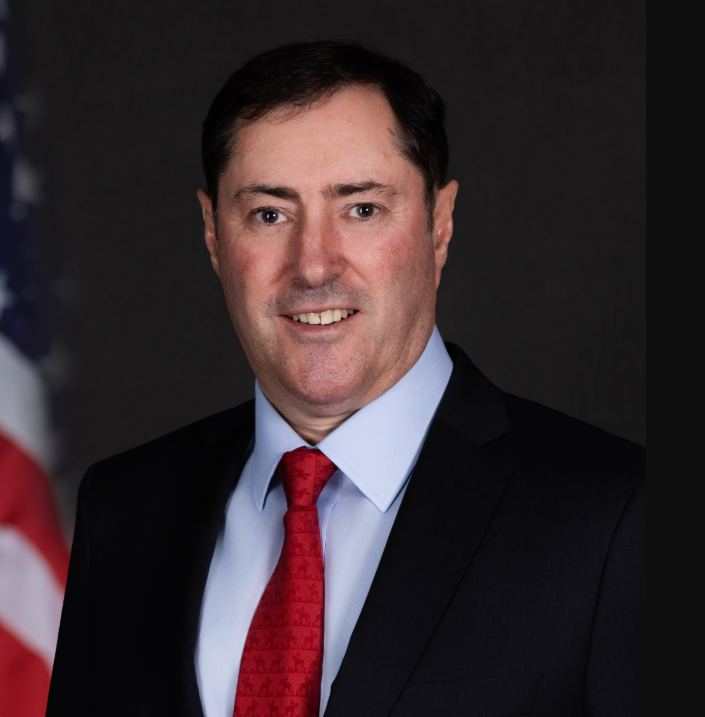
Brien Lorenze
Executive Director, Consumer Product Safety Commission</span >
Brien Lorenze is a senior executive with more than 30 years of leadership experience advancing public safety, technology modernization, and regulatory enforcement across government and industry. As Executive Director of the U.S. Consumer Product Safety Commission (CPSC), he oversees all agency operations and has strengthened the Commission’s public safety mission, driving a 100% increase in product recalls and a 152% rise in takedowns.
Previously, Brien served as Senior Advisor at the Financial Crimes Enforcement Network (FinCEN), leading major technology modernization efforts, including the adoption of artificial intelligence and cloud-based analytics to combat financial crime. He also served as Chief Data Officer for the Pandemic Response Accountability Committee, where he founded the Pandemic Analytics Center of Excellence to deploy advanced analytics for fraud detection and recovery.
Before entering federal service, Brien was a partner at Deloitte and held senior leadership roles in IBM Global Services. He has received multiple honors for his leadership, including most recently the 2023 Council of Inspectors General for Integrity and Efficiency Award of Excellence for Strategic Use of Data.
Sean J. Fry
Executive Advisor Health IT, Social Security Administration</span >
Mariann Yeager
CEO, The Sequoia Project
Mariann Yeager has more than 20 years of experience in the health information technology field. She serves as CEO for The Sequoia Project, a nonprofit solely focused on advancing secure, interoperable nationwide health data sharing in the U.S. Ms. Yeager leads the Recognized Coordinating Entity) team, in support of the Assistant Secretary of Technology and Policy to develop, implement and maintain the Trusted Exchange Framework and Common Agreement. Under her leadership, Sequoia launched its Interoperability Matters program, engaging experts from across the healthcare and healthcare IT communities to identify, prioritize and collaborate on the most pressing, discrete challenges to nationwide health information sharing. Prior to her tenure at The Sequoia Project, she worked with the HHS Office of the National Coordinator for five years on nationwide health information network initiatives. She also led the launch and operation of the first ambulatory and inpatient electronic healthcare record certification program in the U.S.
PalladianJoin us for an hour-long refresher course on information blocking. Get back up to speed on all things information blocking-related in preparation for our IB Bootcamp 201 sessions to follow. If you’re already an IB expert, feel free to check out one of our breakout sessions during this time and join IB 201 at 2:15.
Dan Healy
ASTP/ONC
Mike Lipinski
ASTP/ONC
Cassie Weaver
ASTP/ONC
Rachel Nelson
ASTP/ONC
DiplomatTEFCA’s growth is driven by continued collaboration among partners through participation in governance and working groups. This session will cover updates from ASTP/ONC and the Recognized Coordinating Entity (RCE) on priorities and initiatives set to strengthen and scale TEFCA participation.
Zoe Barber
Policy Director, The Sequoia Project</span >
Erin Whaley
Troutman Pepper Locke
Chantal Worzala
Public Health Analyst, ASTP/ONC</span >
Chris Dickerson
Public Health Analyst, ASTP/ONC</span >

Alan Swenson
Technical Vice President, Trust Frameworks, The Sequoia Project</span >
As Executive Director of Carequality, Alan Swenson guides the development and implementation of the Carequality Interoperability Framework, the leading, nationwide trusted exchange framework enabling health data sharing across and among different types of networks and service providers. Alan also leads Carequality in supporting The Sequoia Project as the Office of the National Coordinator for Health ITs (ONCs) Trusted Exchange Framework and Common Agreement (TEFCA) Recognized Coordinating Entity (RCE). Alan has spent more than a decade focused on health IT interoperability. Before leading Carequality, he helped lead an exponential increase in patient record sharing through direct collaboration with hundreds of healthcare systems and provider organizations, EHR vendors, HIEs, HISPs, PHRs, payers, government agencies, and other digital health platforms. He has also volunteered with The Sequoia Project, National Association for the Support of LongTerm Care (NASL), CommonWell Health Alliance, DirectTrust, National Quality Forum, and HIMSS, among other industry interoperability initiatives.
AmbassadorWe have seen progress on specific interoperability metrics, like the rate of health care providers who electronically send, receive, find, and integrate information from external sources, but also persistent friction to achieve nationwide interoperability. The session will examine data from several sources that measure the interoperability experience across the care continuum and provide new insight on the progress made and barriers that remain. We will also discuss ongoing and emerging opportunities to address this friction and invite attendees to discuss their own experiences to help frame session takeaways and inform ways we can better measure and take action on these barriers.
Wei Chang
Public Health Analyst, ASTP/ONC</span >
Wei Chang, MPH is a Public Health Analyst in the Data Analysis Branch. Her portfolio includes a national survey of health information exchange organizations (HIOs) and the Behavioral Health Information Technology (BHIT) Initiative.
Meghan Gabriel
Economist, ASTP/ONC
Meghan Gabriel serves as an Economist at ASTP/ONC.
Chelsea Richwine
Economist , ASTP/ONC
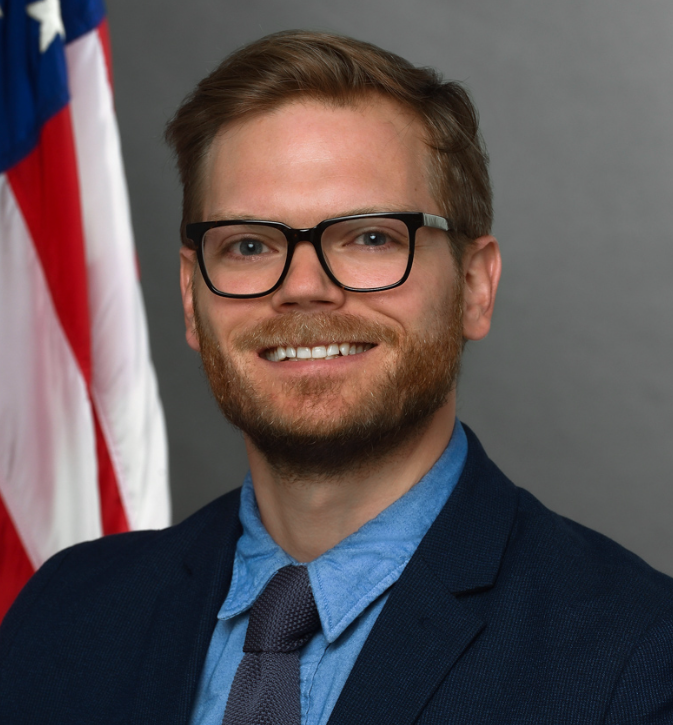
Wesley Barker
Chief, Data Analysis Branch, ASTP/ONC</span >
Wes Barker is the Chief of the Data Analysis Branch at the Office of the Assistant Secretary for Technology Policy. The team leads research and data analysis in support of the measurement and evaluation of ASTP policies, programs, and priorities, as well as contributes to the growing health information technology and digital health research agenda. Wes began his federal career with the Department of Health and Human Services in 2012, as a Presidential Management Fellow. He started his ASTP/ONC career in 2014. While at ASTP, Wes has been an analyst, data scientist, and now Branch Chief for the Data Analysis team for his entire ASTP career.

Vaishali Patel
Deputy Division Director, ASTP/ONC</span >
Vaishali Patel PhD MPH is deputy division director of ASTP/ONC's Technical Strategy and Analysis Division which is responsible for measurement and supporting innovation. She is a health services researcher by training. Prior to joining ASTP/ONC, she was faculty at Weill Cornell's Clinical and Health Informatics Division conducting research related to health IT use and interoperability, and worked for Oxford Health Plans, now part of United Healthcare, leading efforts to monitor the performance of their Medicaid programs, and later in managing their IT/operations.
EmpireASTP will host a listening session featuring a panel of industry-leading experts focused on advancing electronic prior authorization (ePA) to support more efficient, interoperable workflows and reduce administrative burden for providers. The panel will discuss the HTI-4 final rule, which adopts three new health IT certification criteria to support ePA, based on FHIR® implementation specifications developed by the HL7® Da Vinci Project.
Participants will hear a brief overview of the HTI-4 ePA certification criteria, followed by a moderated discussion in which panelists share implementation experiences, challenges, and opportunities to further improve standardized, FHIR-based prior authorization processes across the healthcare ecosystem. The session will also provide an opportunity for audience feedback and dialogue.
Elisabeth Myers
ASTP/ONC
Mark Atalla
Deputy Assistant Secretary for Technology Policy, Deputy National Coordinator for Policy, ASTP/ONC</span >
Mark Atalla serves as Deputy Assistant Secretary for Technology Policy/Deputy National Coordinator for Policy. Mark most recently worked on how artificial intelligence can support people trying to improve their health, and the broader theme of how AI and personal devices can work in delegated financial risk models. He also brings experience from working at a large, distributed healthcare organization operating 2,000+ clinics across the U.S., and from pharmacy leadership roles spanning the pharmacy benefit management, community, and hospital pharmacy settings. Mark previously served as a Senior Advisor at CMS, first leading Medicare Advantage and Part D work at the CMS Innovation Center—the Part D Senior Savings, Part D Payment Modernization, and MA-Value-based Insurance Design (VBID) Models—and later in the CMS Office of the Administrator.
PalladianTake a deeper dive into specific information blocking topics, including:
Please note: this is an extended session and will last until 5:00.
Dan Healy
ASTP/ONC
Mike Lipinski
ASTP/ONC
Cassie Weaver
ASTP/ONC
Rachel Nelson
ASTP/ONC
DiplomatAs TEFCA gains momentum, expanding reach to rural settings remains a priority. This session will explore opportunities for engaging rural health providers and Critical Access Hospitals (CAHs) to create stronger pathways for participation in TEFCA.
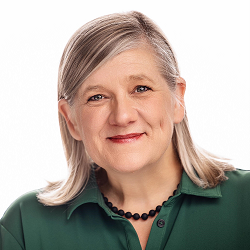
Dr. Priscilla Frase
Interim Director of IT/CMIO/Hospitalist, Ozarks Healthcare</span >
Priscilla A. Frase, MD is Interim Director of IT and Chief Medical Information Officer at Ozarks Healthcare in West Plains, Missouri, where she also maintains limited clinical practice as a hospitalist. Ozarks Healthcare is an independent rural health system serving an eight-county region across south-central Missouri and northern Arkansas.
Dr. Frase has served in IT leadership roles since 2014, bridging clinical, regulatory, and operational priorities. Under her leadership, the organization achieved significant improvements in clinician satisfaction and received national recognition for EHR experience and end-user engagement. She collaborates closely with technology vendors, serves on multiple advisory boards, and advocates nationally for the needs of rural and independent health systems.
In 2024, Dr. Frase received the HIMSS Changemaker in Healthcare Award (Senior Executive category), served as a keynote speaker at the KLAS Arch Collaborative Summit, and was named CHIME Innovator of the Year.
Dr. Jeffrey Anderson
Louise Nott
HRSA/FORHP
Vaishali Patel
Deputy Division Director, ASTP/ONC</span >
Vaishali Patel PhD MPH is deputy division director of ASTP/ONC's Technical Strategy and Analysis Division which is responsible for measurement and supporting innovation. She is a health services researcher by training. Prior to joining ASTP/ONC, she was faculty at Weill Cornell's Clinical and Health Informatics Division conducting research related to health IT use and interoperability, and worked for Oxford Health Plans, now part of United Healthcare, leading efforts to monitor the performance of their Medicaid programs, and later in managing their IT/operations.
Meley Gebresellassie
ASTP/ONC
AmbassadorWhat’s next for digital health? This session will provide a clear-eyed look at the innovations on the horizon, examining how emerging technologies are reshaping care delivery, data exchange, and patient engagement, and what it all means for healthcare organizations navigating rapid change.
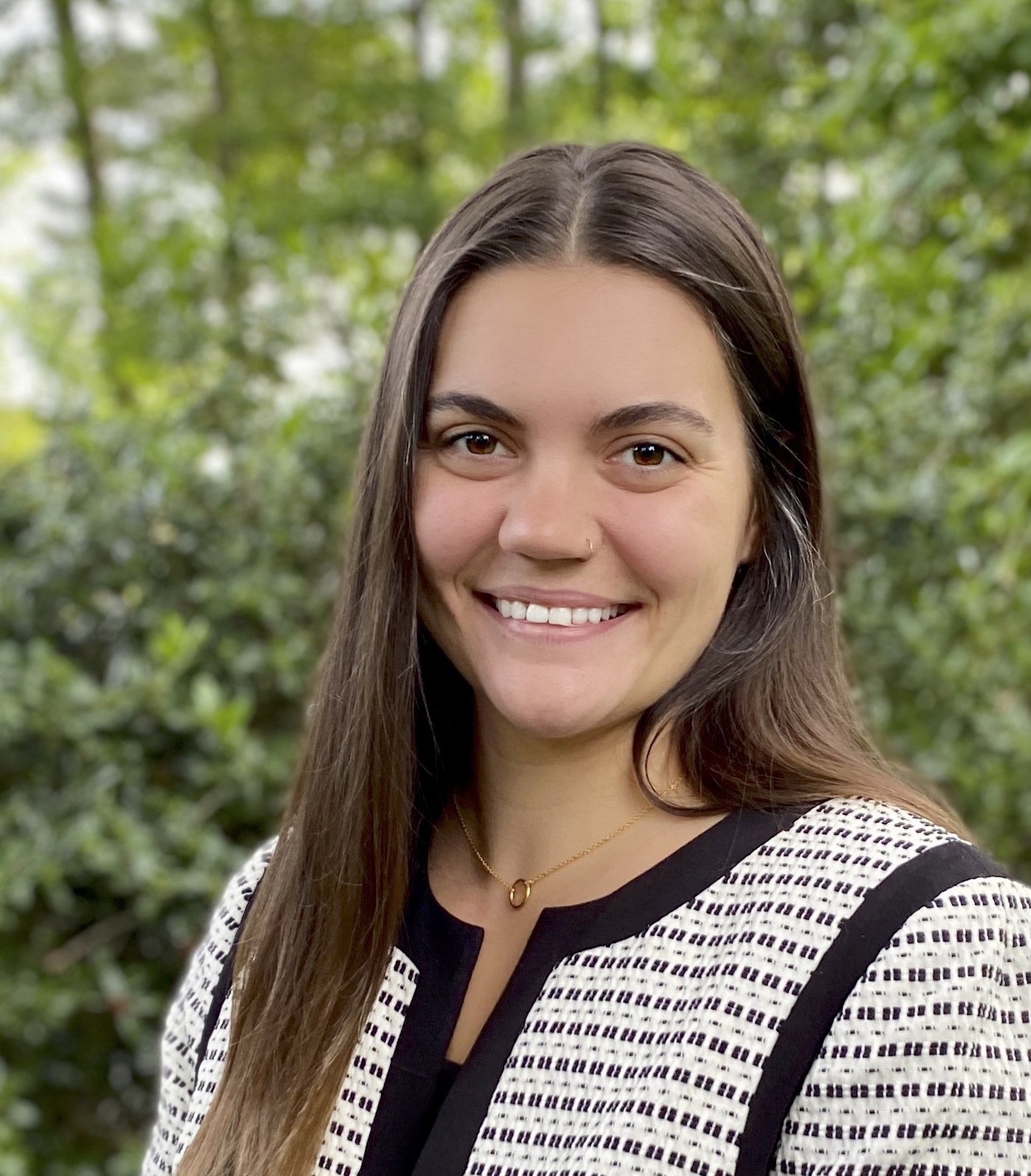
Rachel Schilling
Engagement Manager, Rock Health Advisory</span >
Rachel is an Engagement Manager at Rock Health Advisory, where she advises enterprise healthcare organizations and digital health leaders on strategy at the intersection of technology, policy, and care delivery. Her work focuses on helping organizations navigate ambiguity and translate emerging innovation into actionable, adoption-ready strategies within complex regulatory and operational environments.
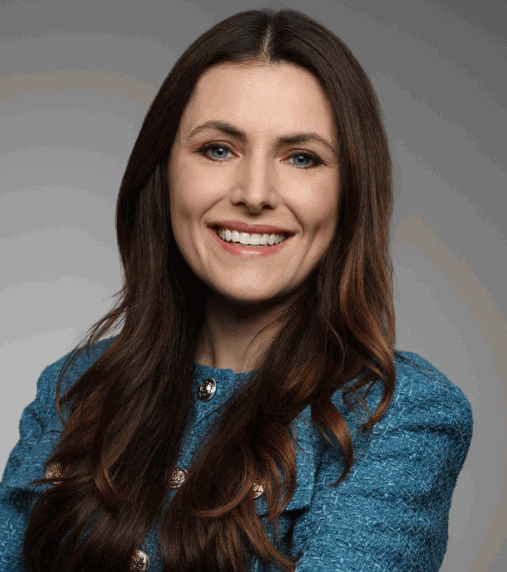
Katie Schmitz
Head of Principal Investing & Fund Management, Ziegler</span >
Ms. Schmitz is the Head of Principal Investing and Fund Management at Ziegler, a specialty investment bank with expertise in healthcare and senior living. She also serves as a Managing Partner of the Ziegler Link-age Funds, a venture capital fund family with an investment policy designed to unite entrepreneurs and healthcare operators to drive a strong financial return by improving the lives of older adults and those who care for them.
With over 10 years of operating and investing experience, she oversees operations, development and execution of the Ziegler Link-age Fund’s strategic value proposition and manages investment pipelines from sourcing through investment. As a strategic investor, Ms. Schmitz takes an active role with portfolio companies, serving on Boards of Directors for five companies, and helping them better understand and penetrate the senior living and healthcare markets.

Alex Hatzis
Vice President, Healthcare & Life Sciences, HSBC Innovation Banking</span >
Alex is a Vice President in HSBC's Healthcare Innovation Banking team where he manages banking & venture debt clients ranging from the seed stage through growth stage & beyond with a focus on the HealthTech and MedTech sectors. He has spent the last 13 years in the healthcare innovation ecosystem, previously holding roles at HLM Venture Partners as an Associate and StartUp Health as their Ventures Director. He's also an advisor to several early-stage HealthTech companies. In 2024, Alex received is MBA from the Yale School of Management. He resides in the Boston area with his wife and two young daughters.
Trish Stroman
Managing Director and Senior Partner, Boston Consulting Group</span >
Trish Stroman leads the firm’s Social Impact (SI) practice in North America. Since joining BCG in 2005, she has focused on social impact for much of her career. She is a core member of the Health Care and Public Sector practices and leads BCG’s global health impact area.
In her work with foundations, public-private partnerships, and public sector entities, Trish brings BCG's cutting-edge knowledge to bear, with an eye to customizing approaches in order to meet the needs of complex stakeholder environments and confront long-term intractable problems such as HIV/AIDS and malaria. Her work is increasingly focused at the intersection of the public and private sectors as organizations collaborate across sectors toward the sustainable development goals.
BCG’s global health team shapes the investment strategies of the largest global health funders, advises clients on the optimal use of digital and technology in global health, works across sectors to develop innovative financing strategies, and supports governments to improve health systems in lower-income countries.
Before joining BCG, Trish was an internal consultant for the physician group at Kaiser Permanente.
Stephen Konya
Chief, Innovation and Strategic Partnerships, ASTP/ONC</span >
Stephen Konya serves as the Senior Advisor to the Deputy National Coordinator, and Innovation Portfolio Lead for the Office of the National Coordinator for Health IT (ONC), U.S. Department of Health and Human Services (HHS). In addition to shaping the Agency’s long term strategy, he also serves as the primary liaison to the White House Office of Science and Technology Policy (OSTP) and the external healthcare startup and investor community. Furthermore, Mr. Konya also currently leads the Digital Health Innovation Workgroup under the Federal Health IT Coordinating Council, an interagency collaboration community comprised of innovation representatives from 40 other federal agencies. Previously, Mr. Konya has led several key ONC projects, including the HHS PandemicX Innovation Accelerator, the national Health IT Playbook, the ONC Patient Engagement Playbook for Providers, the SMART App Gallery, the FHIR at Scale Taskforce (FAST) Initiative, and is a founding Co-Chair of the Together.Health Collaborative.
Prior to his position with the Federal Government, he served concurrently as Chief of Staff, Chief Operating Officer, and Chief Results Officer for the Illinois Department of Public Health. Where, in addition to many other responsibilities, he was tasked with leading the agency's Innovation and Open Data strategy, and was appointed Chair of the Open Data sub-committee under the IL Alliance for Health, a CMMI State Innovation Model (SIM) planning grant. Other assignments included being appointed to the IL Commission on the Elimination of Poverty, and Co-Chair of the Illinois Workforce Investment Board’s (IWIB) Healthcare Taskforce.
Earlier in his career, Mr. Konya served as the Chief of Staff for the IL Department of Commerce and Economic Opportunity, and CFO of the IL Human Rights Commission. He holds a BBA in Finance and International Business from Loyola University of Chicago, and was both a Fellow and Mentor of the Mid-America Regional Public Health Leadership Institute (MARPHLI) program, at the University of Illinois-Chicago (UIC), School of Public Health.
EmpireThis listening session will provide a forum to address policy and technical considerations for boosting health IT adoption and interoperability among mental health and substance use service providers. Topics will include patient access, care coordination, EHR design features unique to behavioral health, and connections to existing systems. This session will serve to inform the public roundtable on using health IT to improve mental health and substance use care outcomes, required under the SUPPORT for Patients and Communities Reauthorization Act (Sec. 211), that will be hosted by ASTP in the spring.
Donna Davidson
ASTP/ONC
Tom Novak
ASTP/ONC
Maggie Gaddis
ASTP/ONC
Sam Kardaal
Deputy Assistant Secretary for Interoperability The Office of the National Coordinator for Health IT, ASTP/ONC
Sam Kaardal serves as the Deputy Assistant Secretary for Interoperability. Mr. Kaardal joined ONC in August 2025 and prior to that he spent seven years working in the U.S. House of Representatives. Most recently, Mr. Kaardal served as the Republican staff director for the Subcommittee on Technology Modernization of the House Committee on Veterans’ Affairs. In this role, Mr. Kaardal and his team were responsible for executing congressional legislative and oversight authority over IT at the Department of Veterans’ Affairs including, but not limited to, healthcare IT and advancing interoperability goals regarding veterans’ healthcare data.
Mr. Kaardal holds a bachelor’s degree from Boston University and upon graduation he received his commission in the United States Army Reserves through the Reserve Officer Training Program. He served as a logistics officer in the Army Reserves for eight years in positions that include company commander, company executive officer, battalion staff officer, and brigade staff officer.
Regency Ballroom
Deputy Secretary Jim O'Neill
Deputy Secretary, Department of Health and Human Services</span >
Jim O’Neill serves as the 26th Deputy Secretary of Health and Human Services. He also serves as the Acting Director of the Centers for Disease Control and Prevention and the Acting Administrator of the Agency for Toxic Substances and Disease Registry.
As the principal deputy and chief advisor to the Secretary, Deputy Secretary O’Neill helps Secretary Robert F. Kennedy, Jr. set and execute policies across the Department to make America healthy again with rigorous science, radical transparency, and innovation. He works every day to ensure health care is affordable and accessible.
An entrepreneurial leader and experienced CEO, O’Neill has worked to improve health care for more than 30 years.
After starting his career as a White House and Senate staffer, Deputy Secretary O’Neill served at HHS from 2002 to 2008. As the Principal Associate Deputy Secretary, he led several major reforms at the Department, including an overhaul of food safety and the implementation of the FDA Amendments Act of 2007 to improve drug and device safety. He also helped design and launch the Administration for Strategic Preparedness and Response.
Following his first stint at HHS, O’Neill became a managing director at Clarium Capital, a global macro investment fund based in San Francisco. As CEO of The Thiel Foundation, he funded innovative nonprofits that promote technology and freedom and co-founded the Thiel Fellowship, where he helped launch the careers of young entrepreneurs who founded science and technology companies worth hundreds of billions of dollars.
Prior to his Senate confirmation, O’Neill was the CEO of SENS Research Foundation where he led efforts to research and develop regenerative medicine solutions for age-related diseases such as Alzheimer’s, cancer, and heart disease. Under his leadership, SENS made progress toward rejuvenating the immune system, eliminating senescent cells, rejuvenating the neocortex, and reversing mitochondrial mutations.
Deputy Secretary O’Neill brings a strong record of driving innovation, guiding complex organizations, and achieving science-based results to his role as Deputy Secretary. The son of an Air Force pilot, he spent his childhood in San Antonio. He earned a bachelor’s degree from Yale and a master’s from the University of Chicago. He has three children.
Regency BallroomOver the past year, adoption of the Trusted Exchange Framework and Common Agreement (TEFCA) has accelerated, reflecting growing trust in nationwide exchange networks and meaningful progress toward more seamless data sharing. CMS has launched an exciting initiative to accelerate solutions that plague health information exchange, and have recruited over 600 organizations to contribute. Join us for this fireside chat that brings together ASTP/ONC’s Tom Keane and CMS’s Amy Gleason for a timely conversation on how TEFCA is scaling in practice and how CMS’ Health Tech Ecosystem is strengthening interoperability across the healthcare system.
Moderated by Ryan Howells, the discussion will explore the current state of TEFCA, how the framework has matured through real-world implementation, and how the CMS Health Tech Ecosystem is addressing key challenges related to trust, governance, and nationwide exchange. Speakers will also highlight how TEFCA is designed to complement—rather than compete with—the broader CMS health technology ecosystem, reinforcing alignment across federal interoperability efforts.
Tom Keane
Assistant Secretary for Technology Policy, National Coordinator for Health Information Technology</span >
Dr. Thomas Keane serves as the ninth National Coordinator for Health Information Technology. An engineer and physician, Dr. Keane previously served in ONC and also as a Senior Advisor to the Deputy Secretary of HHS. Among other duties, he was an administrator of the COVID-19 Provider Relief Fund and lead the development of the AHRQ National Nursing Home COVID Action Network. Dr. Keane worked as a finite element software developer and enterprise software engineer prior to training as an interventional radiologist.

Amy Gleason
Acting Administrator and Strategic Advisor, U.S. DOGE Service and CMS</span >
Amy Gleason is the Acting Administrator of the U.S. DOGE Service and Strategic Advisor to the Centers for Medicare & Medicaid Services (CMS), where she leads national initiatives to modernize healthcare technology and improve data interoperability. Previously, she served as Chief Product Officer at Russell Street Ventures, where she led digital health innovation at Main Street Health and CareBridge. Amy also served with the U.S. Digital Service at the White House, where she created the national COVID-19 database and led major efforts such as the Pandemic Ready Interoperable Modernization Effort (PRIME) and Data at the Point of Care. She began her career in nursing and has spent her career advancing healthcare through technology. Amy brings a deeply personal perspective to her work, shaped by her experience as a caregiver to her daughter, who was diagnosed with a rare disease at age 11.

Ryan Howells
Principal, Leavitt Partners
Ryan Howells is a nationally recognized expert in digital health policy and interoperability. Based in Leavitt Partners’ Washington, D.C. office, he collaborates with the private sector, the White House, Congress, HHS, and the VHA to improve health care nationwide. His team at Leavitt Partners wrote a whitepaper in March 2025 called Kill the Clipboard! A Federal Policy and Industry Roadmap to Accelerate Innovation and Cut Administrative Waste.
Since 2016, Ryan has co-led the CARIN Alliance (www.carinalliance.com) which has driven advancements in consumer-directed exchange. CARIN’s work has been adopted by every CMS payer and provider in the country, cited as an “industry best practice†in multiple federal regulations, named in the 2025 CMS Health Tech Ecosystem announcement, and honored with a World Changing Idea Award from Fast Company magazine.
In addition, Ryan partners with CMS and NCQA to advance digital quality measures, works with the Utah Governor’s Office on the nation’s first statewide multi-payer, multi-provider FHIR API interoperability initiative, and collaborates with the VHA and Clinical Architecture on development of the PIQI Alliance (piqiframework.org) to assess patient data quality. A strong advocate for digital identity federation in health care since 2017, he has also contributed to public health data modernization efforts with the CDC and ONC. His mission is to ensure the right data reaches the right person at the right time and place to drive meaningful improvements in health care outcomes.
Previously, Ryan served as General Manager of a digital health product company and now holds board and advisory roles with multiple healthcare and educational organizations. He is a member of the CMS MITA Governance Board, Vice Chair of the Carequality Steering Committee, a DirectTrust Board member, and a member of the HL7 FAST Identity Tiger Team. He holds an MHA from USC and a BA from BYU. Ryan resides in Georgia with his wife, Alison, and their five children.
Regency BallroomArtificial intelligence has the potential to transform clinical care, improve outcomes, and reduce burden across healthcare settings. However, realizing that potential requires more than promising technology. It demands coordinated action across government policy, investment, partnerships, and real-world implementation. This panel brings together leaders from healthcare delivery, government, and industry to explore how AI can be accelerated from development to deployment at the point of care.
Panelists will examine what it takes to move AI innovations into clinical workflows at scale, highlighting lessons from early adopters and the policy levers that can enable faster, longer-lasting adoption. The discussion will also focus on how targeted investment, public-private partnerships, and modernized regulatory approaches can drive innovation while maintaining patient safety and trust.
Key topics include:
Tom Keane
Assistant Secretary for Technology Policy, National Coordinator for Health Information Technology</span >
Dr. Thomas Keane serves as the ninth National Coordinator for Health Information Technology. An engineer and physician, Dr. Keane previously served in ONC and also as a Senior Advisor to the Deputy Secretary of HHS. Among other duties, he was an administrator of the COVID-19 Provider Relief Fund and lead the development of the AHRQ National Nursing Home COVID Action Network. Dr. Keane worked as a finite element software developer and enterprise software engineer prior to training as an interventional radiologist.

Matt Pavelle
Co-founder and Co-CEO, Doctronic</span >
Matt Pavelle is co-founder and co-CEO of Doctronic, the #1 AI doctor. A computer scientist from Carnegie Mellon with multiple patents in AI, computer vision, and e-commerce, Matt has founded and led ten technology companies, including Moda Operandi, which he scaled to unicorn status, and recently Piñata Rent. He has multiple successful exits fintech and consumer technology. He is a frequent startup angel investor and advisor via multiple accelerators. He is based in New York City.
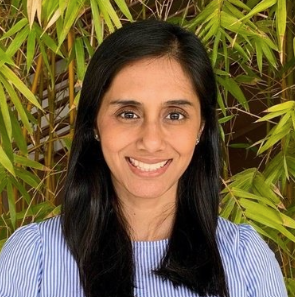
Priyanka Agarwal
Co-Founder and CEO, HealthEx</span >
Priyanka Agarwal, MD, MBA is the co-founder and CEO of HealthEx. She is a physician with leadership experience across the academic medicine, biotech/pharma, and startup spaces, having previously been in leadership positions at UCSF, MyoKardia, and Bristol Myers Squibb.
HealthEx helps people securely access and share their health records, at the moments that matter. Linking digital identity, consent, and real-time health records access, HealthEx is delivering a future where health data moves seamlessly and responsibly, always on the individual’s terms.
Prior to HealthEx, she led the digital health/AI program at MyoKardia, a precision medicine biotech acquired by Bristol Myers Squibb in 2020. In her work at MyoKardia and then Bristol Myers, she led the unit supporting the FDA approval and commercial adoption of AI Algorithms for cardiovascular disease detection, from concept to execution. Prior to her HealthEx and life-sciences leadership, at UCSF, she was the physician leader for telemedicine and digital patient experience, and also an Associate Professor of Medicine in the Dept. of Medicine and Division of Hospital Medicine.
She completed her undergraduate studies at Stanford University, and received an MD and MBA from Harvard University. She completed her residency in internal medicine at Brigham and Women's Hospital and UCSF.

Dr. Alicia Jackson
Director, Advanced Research Projects Agency for Health (ARPA-H)</span >
Dr. Alicia Jackson was appointed by President Trump as Director of the Advanced Research Projects Agency for Health (ARPA-H) and sworn in on October 20, 2025. Dr. Jackson reports directly to U.S. Department of Health and Human Services (HHS) Secretary.
Dr. Jackson joins ARPA-H from Evernow, a company she founded and led as CEO, focused on transforming women’s health and longevity during menopause. Previously, she served as a Program Manager and, subsequently, Deputy Director of the Defense Advanced Research Projects Agency’s Biological Technologies Office, guiding an investment portfolio across biodefense, novel medicine development, and biomanufacturing to protect the nation while advancing groundbreaking scientific capabilities. She has served as a Senate policy advisor, as well as co-founder, Board Member, and advisor of several biotech and health startups, including OOVA, ImmuneBridge, and Drawbridge Health.
Dr. Jackson holds a Ph.D. in materials science from the Massachusetts Institute of Technology.
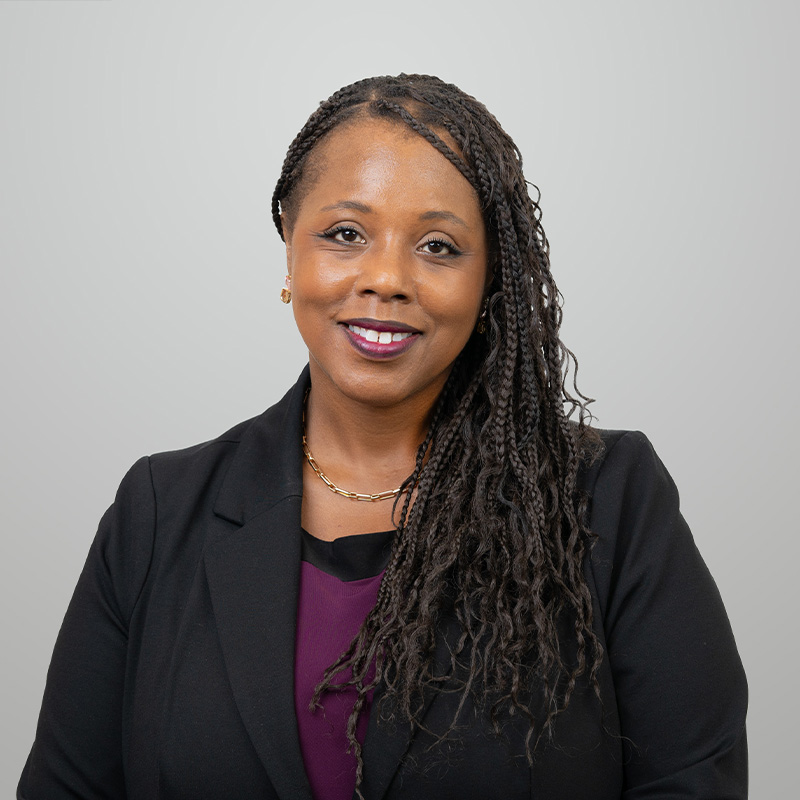
Michelle Tarver
Director, Center for Devices and Radiological Health (CDRH) US Food and Drug Administration</span >
Dr. Michelle Tarver is a public health executive, board-certified in ophthalmology with a doctorate in epidemiology, who serves as the Director of the Center for Devices and Radiological Health. She has spent more than 15 years as a medical device regulator, driving strategic initiatives, conducting clinical research, and changing organizational culture. Dr. Tarver has held various leadership positions while at FDA, including the Deputy Director of the Office of Strategic Partnerships and Technology Innovation and the Program Director of Patient Science and Engagement. Over the course of her career, she has conducted laboratory-based and epidemiological studies, clinical trials, and surveys to capture patient preferences, as well as developed registries and patient-reported outcome measures. Dr. Tarver has extensive experience in crafting regulations, guidances, and conducting premarket and postmarket reviews. She most recently served as the Deputy Center Director for Transformation, steering the development, implementation, and direction of CDRH’s transformative projects and strategic initiatives. Under her leadership, CDRH has launched efforts to amplify the perspectives of people living with medical conditions, foster collaboration across the healthcare ecosystem, and stimulate creative evidence generation pathways. Dr. Tarver received a B.S. in Biochemistry from Spelman College in Atlanta, GA and completed the M.D./Ph.D. program at The Johns Hopkins University School of Medicine and Bloomberg School of Public Health. As a dedicated clinician, she continues to care for people living with inflammatory eye conditions.
Regency BallroomBreaking down data silos and enabling health data to move safely and securely is in the best interest of patients and providers. Panelists will discuss real-world implementation examples demonstrating how data liquidity across diverse care settings empowers patients by giving them control over their health data and empowers providers by giving them access to a more complete clinical history of their patients. The conversation will also cover the state of TEFCA today and what patients and providers should expect from a healthcare system as data becomes more and more interoperable.
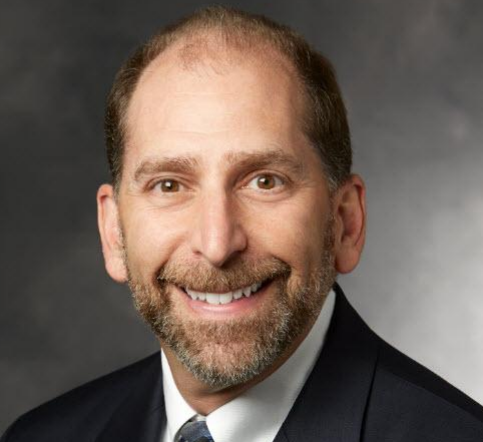
Matthew Eisenberg
Associate CMIO, Stanford Health Care / Stanford Medicine</span >
Dr. Matthew A. Eisenberg joined Stanford Health Care in early 2013 and is the Associate Chief Medical Information Officer for Enterprise Informatics. Stanford Health Care is a not-for-profit academic healthcare system with leading edge clinical capabilities. In his work, Dr. Eisenberg focuses on interoperability & health information exchange, regulatory informatics, inpatient optimization, and strategic health IT initiatives. Dr. Eisenberg is a pediatrician and is board certified in Clinical Informatics. He is a Clinical Assistant Professor (Affiliated) in the Stanford Center for Biomedical Informatics Research and the Department of Pediatrics at the Stanford University School of Medicine. From 2017 to 2023, he served as the Stanford Health Care Associate Program Director for the ACGME accredited Stanford Clinical Informatics Fellowship Program, the first ACGME accredited Clinical Informatics Fellowship Program in the country that dates to 2014. He has served on the eHealth Exchange Coordinating Committee, the network governance body, since 2014 and Chaired the Committee for many years. He recently completed his 3-year term as a Board Member on the Sequoia Project Board of Governors. In 2024, he served as Co-Chair on the TEFCA Transitional Governing Council and currently serves as Chair of the TEFCA Governing Council. He is also a member of the TEFCA Participant and Subparticipant Caucus and serves as Co-Chair for the Epic Nexus QHIN Governing Council. He is a Fellow of the American Academy of Pediatrics (AAP) and the American Medical Informatics Association (AMIA).
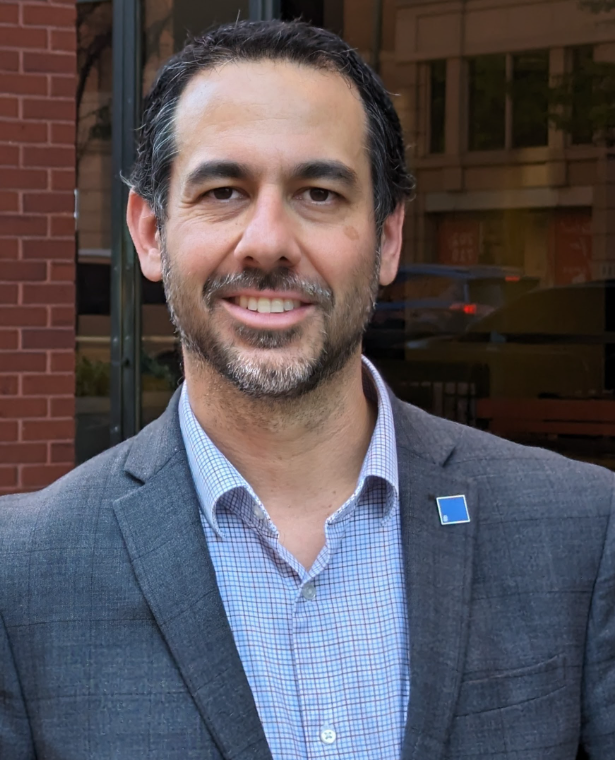
Jonathon Feit
Co-Founder & Chief Executive, Beyond Lucid Technologies, Inc.</span >
Jonathon Feit is Co-Founder & Chief Executive Officer of Beyond Lucid Technologies (BLT), one of the few consistently profitable healthcare IT / digital health ventures, serving the Fire, EMS, Public Health and Public Safety markets. He has forged market-facing collaborations with Fortune 100 and Global 500 corporations, and helped to found the Congress of Mobile Medical Professionals (CoMMP). BLT won a Frost & Sullivan Technology Leadership Award for “EMS Data Communications Platform†(2019), and was twice nominated for UCSF Health Hub Awards.
Jonathon was the only technologist member of the Arizona Mobile Integrated Health (MIH) Network; he contributed to the National POLST Technology Guide on behalf of emergency medical services, with a focus on honoring patients’ end-of-life medical wishes; and he represented the Fire & EMS sector before state-level stakeholder committees in both Texas (“SANERâ€) and California (“CalHHS Data Exchange Framework†(DXF)). In September 2024, Jonathon was appointed to the statewide California DXF Standards Committee. BLT was the first company to join a nationally certified Qualified Health Information Network, enabling access to healthcare data in an ambulance from, basically, anywhere in the United States. The company is the statewide documentation system of the Texas Department of Public Safety; the data intake pipe for Fire & EMS for the Michigan Health Information Network; deployed the first Fire & EMS-interoperable registry of end-of-life medical orders (POLST forms), across the State of Oregon; and deployed America's first statewide registry of pediatric special health needs ("medical complexity") in Oregon and Virginia. In 2020 he was a University of California San Francisco (UCSF) Digital Health Hall of Fame 2020 Nominee, and in May 2022, he received a Civilian EMS Award from the California Emergency Medical Services Authority.
Jonathon has delivered papers and presentations at a wide range of summits including: Arkansas Hospital Assn. Preparedness & Leadership Conferences; EMS World Expo; Fire Department Instructors Conference; Discussions Advancing Research in Transportation Safety (Co-Located with the Transportation Research Board); National Assn. of Mobile Integrated Health Providers Summit; Atrium Health Mobile Integrated Health Summit; the International Assn. of Forensics & Security Metrology; the Assn. of Traffic Safety Information Professionals’ Traffic Records Forum; Trauma Center Assn. of America; International Roundtable on Community Paramedicine; Health Technology Forum; Intelligent Health AI (Switzerland); Society of Trauma Nurses TraumaCon; Northwestern Arkansas Trauma Symp.; South Carolina EMS Symp.; Kentucky EMS LINKS; Health 2.0; mHealth Summit; Harvard in Tech; CUNY Graduate School of Public Health; HCA Kansas City EMS Symp.; Skolkovo Foundation (Moscow); Young Inventors International; and the National POLST Paradigm. Jonathon served on the board of the College of Adaptive Arts.
Prior to Beyond Lucid Technologies, he was a member of the National Press Club for over a decade, with a publications list includes Forbes.com, BusinessWeek.com, Mediabistro, Advertising Age, 944 L.A., The Health Care Blog, the peer-reviewed Online Journal of Public Health Informatics, and several book chapters. Jonathon has consulted for a wide range of organizations, including Colorado’s largest hospital system, a multi-state ambulance service, a multinational pharmaceutical company, and various U.S. municipalities. He is a columnist for the Journal of Emergency Medical Services, EMS World Magazine, and EMS Director. Previously, he had the honor of serving in the White House Office of Management & Budget, where he helped spearhead the strategic redesign of USAJOBS.gov, the “Face of Federal Hiring.†He is co-owner of a U.S. patent on “post-vehicle crash intelligence.†Jonathon has Tourette’s Syndrome and is passionate about advocating on behalf of people with disabilities. Concurrent with his professional activities, and following a short term in the U.S. Army Reserve, he engaged in scholarly research on the etiology and treatment of psychiatric disorders including Post-Traumatic Stress. He has published papers before the Online Journal of Public Health Informatics (2021), the World Congress of Psychosomatic Medicine (2009) and the American Academy of Religion (2004), and he edited a textbook chapter on the pharmacological treatment of epilepsy. Jonathon holds an MBA from Carnegie Mellon University’s Tepper School of Business, and a Combined BA/MA cum laude in “Psychology, Religion, and Conflict Negotiations†from Boston University. He earned graduate certificates in Mediation from the Straus Institute for Dispute Resolution at the Pepperdine School of Law, and in Entrepreneurship Development from the Sloan School of Management at the Massachusetts Institute of Technology.

Rakesh Mathew
President, HIKE HEALTH
Sam Kardaal
Deputy Assistant Secretary for Interoperability The Office of the National Coordinator for Health IT, ASTP/ONC
Sam Kaardal serves as the Deputy Assistant Secretary for Interoperability. Mr. Kaardal joined ONC in August 2025 and prior to that he spent seven years working in the U.S. House of Representatives. Most recently, Mr. Kaardal served as the Republican staff director for the Subcommittee on Technology Modernization of the House Committee on Veterans’ Affairs. In this role, Mr. Kaardal and his team were responsible for executing congressional legislative and oversight authority over IT at the Department of Veterans’ Affairs including, but not limited to, healthcare IT and advancing interoperability goals regarding veterans’ healthcare data.
Mr. Kaardal holds a bachelor’s degree from Boston University and upon graduation he received his commission in the United States Army Reserves through the Reserve Officer Training Program. He served as a logistics officer in the Army Reserves for eight years in positions that include company commander, company executive officer, battalion staff officer, and brigade staff officer.
PalladianThis session will provide an overview of how TEFCA works from a technical perspective, review technology changes that have been made in 2025, discuss security issues and updates, and describe new items that will be coming out in the future such as proposed changes in Individual Access Services, creating FHIR Metrics, and Service Level Agreements.
Chris Muir
Senior Advisor, ASTP/ONC
Chris Muir has worked in state and federal government for over 30 years. Currently, he works at the U.S. Department of Health and Human Services, at the Office of the Assistant Secretary for Technology Policy (ASTP). He is a Senior Advisor for the Office of Standards, Certification, and Analysis where he leads a team that provides subject matter expertise to support the Trusted Exchange Framework and Common Agreement (TEFCA). Before ASTP, Chris was the Strategic Projects Manager for the State of Arizona, CIO’s Office. He led key information technology initiatives including Arizona’s health information technology program. He received a Bachelor of Arts in Political Science and a master’s degree in Public Administration from Arizona State University.
Alan Swenson
Technical Vice President, Trust Frameworks, The Sequoia Project</span >
As Executive Director of Carequality, Alan Swenson guides the development and implementation of the Carequality Interoperability Framework, the leading, nationwide trusted exchange framework enabling health data sharing across and among different types of networks and service providers. Alan also leads Carequality in supporting The Sequoia Project as the Office of the National Coordinator for Health ITs (ONCs) Trusted Exchange Framework and Common Agreement (TEFCA) Recognized Coordinating Entity (RCE). Alan has spent more than a decade focused on health IT interoperability. Before leading Carequality, he helped lead an exponential increase in patient record sharing through direct collaboration with hundreds of healthcare systems and provider organizations, EHR vendors, HIEs, HISPs, PHRs, payers, government agencies, and other digital health platforms. He has also volunteered with The Sequoia Project, National Association for the Support of LongTerm Care (NASL), CommonWell Health Alliance, DirectTrust, National Quality Forum, and HIMSS, among other industry interoperability initiatives.

David Pyke
Technical SME, TEFCA Recognized Coordinating Entity</span >
Mr. Pyke serves as the Technical Author for the Trusted Exchange Framework and Common Agreement (TEFCA) technical documents, playing a pivotal role in shaping the Qualified Health Information Network (QHIN) Technical Framework. Additionally, he is the technical author of various TEFCA Standard Operating Procedures (SOPs), showcasing his expertise in developing and articulating essential guidelines for the initiative. Mr. Pyke brings a wealth of international experience to the realm of Healthcare IT, having contributed his skills to projects across Europe, Africa, the Middle East, the U.S.A., and other countries. He also serves as the Technical Director of the FHIR At Scale Taskforce, bringing policy and technical direction to all projects. His multifaceted role involves providing project management, technical expertise, and strategic advice and design for both organizations and governments. His extensive experience as a subject matter expert in Health Information Exchanges (HIEs) and healthcare IT standards and security speaks volumes about his proficiency in the field.
Johnathan Coleman
Principal/ CISO, TEFCA RCE, Security Risk Solutions, Inc./Sequoia Project</span >
Johnathan Coleman currently serves as the chief information security officer and chair of the Trusted Exchange Framework and Common Agreement (TEFCA) Cybersecurity Council for the TEFCA Recognized Coordinating Entity. As Principal for Security Risk Solutions Inc., he has more than 20 years’ experience supporting the federal government, providing cybersecurity policy and implementation support to the Department of Defense and the Defense Health Agency, and facilitating various standards and interoperability projects for the Assistant Secretary for Technology Policy. Johnathan graduated from the Royal Military Academy, Sandhurst as a signals communications officer and earned a B.Eng. in Aeromechanical Systems Engineering from the Royal Military College of Science in the UK. He maintains professional security certifications including CISSP, CISM and CRISC, he is a former co-chair of the Community Based Care and Privacy workgroup and is the current co-chair of the Security workgroup at Health Level 7 International.
AmbassadorHealthcare interoperability is entering a transformative era as APIs evolve from simple data retrieval to bidirectional, AI-enabled data exchange. This breakout session explores how bulk access APIs, write capabilities, and emerging agentic AI protocols are advancing health data exchange beyond traditional point-to-point integrations toward intelligent, context-aware, and autonomous data flows.

Dan Gottlieb
Principal / Clinical Informaticist, Central Square Solutions LLC</span >
Dan Gottlieb has led the design and development of healthcare apps, clinical decision support services, and population health analytic tools for organizations including Boston Children's Hospital, Harvard Medical School, and the New York City Department of Health. A clinical informatics and software engineering consultant with more than two decades of experience, Dan serves as the senior technical advisor to the SMART on FHIR Project and a subject matter expert for the Argonaut FHIR Accelerator. He is the co-creator and maintainer of the FHIR population API standard (“FHIR Bulk Dataâ€), and has contributed to FHIR standards including SMART App Launch and CDS Hooks decision support. Dan has a master’s degree in health policy from NYU
Wesley Barker
Chief, Data Analysis Branch, ASTP/ONC</span >
Wes Barker is the Chief of the Data Analysis Branch at the Office of the Assistant Secretary for Technology Policy. The team leads research and data analysis in support of the measurement and evaluation of ASTP policies, programs, and priorities, as well as contributes to the growing health information technology and digital health research agenda. Wes began his federal career with the Department of Health and Human Services in 2012, as a Presidential Management Fellow. He started his ASTP/ONC career in 2014. While at ASTP, Wes has been an analyst, data scientist, and now Branch Chief for the Data Analysis team for his entire ASTP career.

Bryn Rhodes
Director of Standards Strategy, Smile Digital Health</span >
Bryn Rhodes is currently the Director of Standards Strategy for Smile Digital Health, as well as a co-chair of the HL7 Clinical Decision Support Work Group and one of the editors of the CDS Hooks specification. Bryn has been involved in decision support and quality measurement standards development and implementation for over a decade.

Gino Canessa
Principal Software Engineer, Microsoft</span >
Gino Canessa is a Principal Software Engineer with the Health Futures team in Microsoft Research, which aims to improve digital healthcare for everyone. He spends most of his time on infrastructure and tooling, covering topics like code generation, Search, and Subscriptions.
Currently, Gino is serving the community as a co-chair of the FHIR Infrastructure WG and a voting member of both the FHIR Management Group and HL7 Technical Steering Committee. Prior to FHIR, Gino spent his time working in DICOM, on storage, exchange, and interoperability.

Mark Kramer
Senior Principal AI Engineer, MITRE</span >
Mark Kramer, Ph.D., is Senior Principal AI Engineer at MITRE Corporation. During his 20 years at MITRE, he has initiated and led many impactful projects including hData (a key precursor to the FHIR standard), FHIR Shorthand, mCODE for cancer data sharing, and Synthea synthetic health data generator. Outside of health, Mark is best known for development of the autoencoder neural network architecture in two foundational papers published in 1991 and 1992. His work introduced key concepts—encoders/decoders, nonlinear dimensionality reduction, self-supervised learning, and noise-based regularization—that anticipated techniques now central to deep learning and generative AI. Mark spent 10 years as Professor of Chemical Engineering at Massachusetts Institute of Technology. His research on modeling, simulation, and AI resulted in over 50 publications that have been cited more than 13,000 times. Mark also served as CTO at Gensym Corporation, which developed some of the first fielded AI solutions (both rule-based and neural network-based) deployed in manufacturing, finance, and transportation in the 1990s.
DiplomatASTP released the Health Data, Technology, and Interoperability: ASTP/ONC Deregulatory Actions to Unleash Prosperity (HTI-5) Proposed Rule on December 22, 2025. The HTI-5 Proposed Rule includes deregulatory actions that update the ONC Health IT Certification Program to: (1) reduce burden on health IT developers by streamlining ASTP/ONC’s voluntary Health IT Certification Program by removing redundant requirements; (2) revise definitions to better promote electronic health information access, exchange, and use so that patients’ access to their data is not blocked; and (3) advance a new foundation of AI-enabled interoperability solutions through modernized standards and certification. In addition, the proposed rule enables ASTP/ONC to reset the Certification Program’s regulatory scope and establish a new foundation on which to build Fast Healthcare Interoperability Resources (FHIR®)-based API requirements in the future.
In this information session, the ASTP team will provide an overview of the HTI-5 proposed rule.
Kate Tipping
ASTP/ONC
Mike Lipinski
ASTP/ONC
EmpireHHS recently released a request for information seeking broad public input on how the department can accelerate the adoption and use of artificial intelligence as part of clinical care for all Americans. Through this RFI, HHS is inviting stakeholders to provide feedback on how the department can use its regulatory, reimbursement, and research & development levers to enable AI adoption to propel the American health care system forward. HHS is seeking broad engagement on how it can accelerate adoption, including how AI can improve patient and caregiver experiences and outcomes, reduce provider burden and improve quality of care, and reduce health care costs for consumers and government.
Following a mainstage conversation in the morning about AI in clinical care, join the ASTP team to share your thoughts.
Steven Posnack
Principal Deputy Assistant Secretary for Technology Policy, Principal Deputy National Coordinator for Health Information Technology The Office of the National Coordinator for Health IT, ASTP/ONC</span >
Steven Posnack serves as the Principal Deputy National Coordinator for Health Information Technology. In this role, he advises the National Coordinator for Health IT, leads the execution of ONC’s mission and represents its interests at a national and international level. In conjunction with the National Coordinator, Steve oversees ONC’s federal policy coordination, regulatory development, public-private initiatives, and the HHS-wide functions led by HHS’ Chief Technology Officer, Chief Data Officer, and Chief Artificial Intelligence Officer.
Over his nearly 20-year career with ONC, Steve has led and created initiatives in a variety of technology and policy positions, including serving as the Deputy National Coordinator for Health IT, Executive Director of the Office of Technology, Director of the Office of Standards and Technology, Director of the Federal Policy Division, and Senior Policy Analyst.
During his tenure, Steve has led the development and implementation of key initiatives enabled by the HITECH Act (2009) and 21st Century Cures Act (2016). This includes the creation of the US Core Data for Interoperability (USCDI) and the USCDI+ program, the formulation and administration of the Trusted Exchange Framework and Common Agreement (TEFCA), the Federal Health IT Strategic Plan, and the publication and establishment of the Interoperability Standards Advisory (ISA) and Standards Version Advancement Process. He has also played critical role in ONC’s policy initiatives, including the establishment and implementation of its regulatory provisions, which span standards adoption, the administration of the Health IT Certification Program, the information blocking regulations, and TEFCA processes. Steve’s leadership of ONC’s standards and technology investments include the launch of the Leading Edge Acceleration Projects (LEAP) cooperative agreement program, the redesign of ONC’s Certified Health IT Product List (CHPL), the establishment of the Interoperability Proving Ground, and development of the C-CDA Scorecard, Inferno, and Lantern testing tools. Earlier in his career, Steve played a lead role in HHS’ establishment of the Medicare and Medicaid EHR Incentive Programs (“meaningful use”). He also led a cross-HHS policy team that worked with the Drug Enforcement Agency (DEA) as it developed its first regulation to permit electronic prescribing of controlled substances (EPCS) and co-authored the Nationwide Privacy and Security Framework for Electronic Exchange of Individually Identifiable Health Information.
Mr. Posnack earned a bachelor’s degree in computer science from Worcester Polytechnic Institute, a master’s degree in security informatics from Johns Hopkins University Information Security Institute, and a master’s degree in health policy from Johns Hopkins University Bloomberg School of Public Health. He also maintains a Certified Information Systems Security Professional (CISSP) certificate.
Mark Atalla
Deputy Assistant Secretary for Technology Policy, Deputy National Coordinator for Policy, ASTP/ONC</span >
Mark Atalla serves as Deputy Assistant Secretary for Technology Policy/Deputy National Coordinator for Policy. Mark most recently worked on how artificial intelligence can support people trying to improve their health, and the broader theme of how AI and personal devices can work in delegated financial risk models. He also brings experience from working at a large, distributed healthcare organization operating 2,000+ clinics across the U.S., and from pharmacy leadership roles spanning the pharmacy benefit management, community, and hospital pharmacy settings. Mark previously served as a Senior Advisor at CMS, first leading Medicare Advantage and Part D work at the CMS Innovation Center—the Part D Senior Savings, Part D Payment Modernization, and MA-Value-based Insurance Design (VBID) Models—and later in the CMS Office of the Administrator.
EmpireThis session will showcase how emerging technologies are transforming healthcare research and clinical trials through FHIR-based interoperability, APIs, and improved data exchange between clinical and research settings. Panelists will discuss decentralized clinical trials and the role of the Vulcan Interoperability Project (VIB) in enabling more efficient, scalable, and patient-centered research. The session highlights practical implementation insights and policy considerations shaping the future of interoperable clinical research.

Ashita Batavia
Global Head of Study Innovation, J&J Innovative Medicine</span >
Ashita S. Batavia, MD MS is the Global Head of Study Innovation at J&J Innovative Medicine. She also serves on the CancerX Steering Committee and is an industry leader in using novel approaches to enhance and accelerate research. She was previously at McKinsey & Co. where she counseled Fortune 50 Executives on using advanced analytics to drive business impact. Dr Batavia is a Clinical Assistant Professor at Weill Cornell Medicine and has been a practicing physician for over 15 years. She has a Masters in Epidemiology and was previously an NIH-funded clinical investigator. She has received numerous research awards and has authored multiple peer-reviewed publications. Dr. Batavia is passionate about using data. AI and technology to improve the health of patients.
Shannon Silkensen
Dr. Shannon Silkensen is a leader in cancer data standardization and real-world data initiatives at the National Cancer Institute. In 2025, she and her team led the development and publication of two USCDI+ Cancer data element sets—Clinical Trial Matching and immune-related adverse events—advancing national cancer data standards. She contributed to the successful submission of the Cancer Registry Implementation Guide to HL7 for formal balloting, demonstrating impact on the national health IT adoption process. As principal investigator of the Privacy Preserving Federated Learning Network, Dr. Silkensen expanded the consortium to include seven NCI-designated Cancer Centers and secured new funding for AI-driven clinical trial matching research using the MedGemma foundation model. The Network completed the technical framework using NV FLARE and led successful model testing across multiple institutions, establishing a governance framework that has become a template for other NCI initiatives.
Dr. Silkensen's work extends across NIH, contributing to five trans-NIH use cases utilizing USCDI and USCDI+ data elements for NCI, NIAMS, NIDA, NIH-OD, and CDC. She moderates high-level roundtable meetings facilitating cross-Institute collaboration and authors multiple scholarly publications, including manuscripts on cancer data ecosystems and real-world data quality. Her research has been presented at major scientific meetings including AACR and AMIA.
Through effective collaboration with federal partners at CDC, ONC, and multiple NIH institutes, as well as academic cancer centers nationwide, Dr. Silkensen advances the integration of real-world data standards into cancer research and clinical care.

James McDermott
Head of Vulcan, HL7 Vulcan
James McDermott
Leading HL7 Vulcan Accelerator | Advancing Interoperability in Healthcare Data Sciences
James McDermott serves as the Head of the HL7 Vulcan Accelerator, where he is fulfilling his personal mission to make a transformative impact on data sciences in healthcare. Through this role he is driving critical initiatives that advance interoperability standards and enable seamless data exchange across clinical research, real-world evidence, and regulatory ecosystems.
With over 30 years of experience in medical statistics, clinical research, and healthcare data sciences, James has established himself as a pioneering innovator in breaking down data silos and creating frameworks for meaningful information exchange. His work with Vulcan represents the convergence of his extensive expertise in clinical data sciences, artificial intelligence, and strategic leadership, positioning him at the forefront of solving healthcare's most pressing interoperability challenges.
As Executive Chairman & CEO at Achieve Intelligence, James leverages advanced data analytics and AI to deliver tailored business intelligence solutions for the healthcare and biopharma sectors. His credentials in artificial intelligence enable him to architect solutions that harness machine learning, predictive analytics, and automated data harmonization: critical capabilities for achieving true interoperability in complex healthcare data environments.
Throughout his career, James has founded and led multiple successful organizations, driving transformative projects that empower healthcare stakeholders to unlock the value of their data assets. He is an active contributor to the professional community, regularly presenting at industry conferences including PHUSE Connect on topics ranging from design thinking in leadership to advancements in biopharma data standardization and interoperability frameworks.

Craig Lipset
Co-Chair, Decentralized Trails & Research Alliance (DTRA)</span >
Craig Lipset is the co-founder and co-chair of the Decentralized Trials & Research Alliance, a non-profit consortia of industry, academia, regulators, and patient groups working to make research participation more accessible. He is also Head of Clinical Innovation at the Buffalo Initiative, a non-profit fund and development capability purpose-built to support patients and parents in their development of therapeutics for otherwise neglected rare diseases. As Managing Partner of Clinical Innovation Partners, Craig serves as an advisor to technology and biopharmaceutical companies, universities, and the venture community, driving progress at the intersection of research, digital solutions, and patient engagement. Craig was the Head of Clinical Innovation and Venture Partner at Pfizer, on the founding Operations Committee for TransCelerate Biopharma, and on the founding management teams for two successful startup ventures (Perceptive Informatics and Adnexus Therapeutics). During that time, Craig designed and launched multiple industry firsts -- from the first fully remote/virtual clinical trial for a new medicine to the first returning of results and data to research participants. He currently serves on the Board of Directors for the Foundation for Sarcoidosis Research as well as on the Editorial Board for Therapeutic Innovation & Regulatory Science. Craig is an Adjunct Assistant Professor in Health Informatics at Rutgers University, and an Adjunct Instructor at the University of Rochester Center for Health + Technology.

Erika Kim
Program Manager, ARPA-H
Dr. Erika Kim joined ARPA-H as a Program Manager in September 2025, on detail from the National Cancer Institute. Kim is a Senior Program Director leading strategic programs at the intersection of data science, data interoperability, and cancer research. With more than two decades of pioneering work at the intersection of data science and biomedicine, Kim brings deep expertise in translational informatics, integrating and interpreting complex biomedical datasets, and building resilient, cloud-native infrastructures that accelerate discovery and health impact.
She received her doctorate from Johns Hopkins School of Medicine in Human Genetics and Molecular Biology and carried out postdoctoral research focusing on molecular mechanisms of leukemia at the National Human Genome Research Institute.
Stephen Konya
Chief, Innovation and Strategic Partnerships, ASTP/ONC</span >
Stephen Konya serves as the Senior Advisor to the Deputy National Coordinator, and Innovation Portfolio Lead for the Office of the National Coordinator for Health IT (ONC), U.S. Department of Health and Human Services (HHS). In addition to shaping the Agency’s long term strategy, he also serves as the primary liaison to the White House Office of Science and Technology Policy (OSTP) and the external healthcare startup and investor community. Furthermore, Mr. Konya also currently leads the Digital Health Innovation Workgroup under the Federal Health IT Coordinating Council, an interagency collaboration community comprised of innovation representatives from 40 other federal agencies. Previously, Mr. Konya has led several key ONC projects, including the HHS PandemicX Innovation Accelerator, the national Health IT Playbook, the ONC Patient Engagement Playbook for Providers, the SMART App Gallery, the FHIR at Scale Taskforce (FAST) Initiative, and is a founding Co-Chair of the Together.Health Collaborative.
Prior to his position with the Federal Government, he served concurrently as Chief of Staff, Chief Operating Officer, and Chief Results Officer for the Illinois Department of Public Health. Where, in addition to many other responsibilities, he was tasked with leading the agency's Innovation and Open Data strategy, and was appointed Chair of the Open Data sub-committee under the IL Alliance for Health, a CMMI State Innovation Model (SIM) planning grant. Other assignments included being appointed to the IL Commission on the Elimination of Poverty, and Co-Chair of the Illinois Workforce Investment Board’s (IWIB) Healthcare Taskforce.
Earlier in his career, Mr. Konya served as the Chief of Staff for the IL Department of Commerce and Economic Opportunity, and CFO of the IL Human Rights Commission. He holds a BBA in Finance and International Business from Loyola University of Chicago, and was both a Fellow and Mentor of the Mid-America Regional Public Health Leadership Institute (MARPHLI) program, at the University of Illinois-Chicago (UIC), School of Public Health.
PalladianCurious about TEFCA connections and implementation efforts? This session offers discussion and Q&A opportunities with the RCE (Recognized Coordinating Entity). We will explore implementation methods and give you a chance to deepen your understanding of what it takes to make TEFCA work in the real world.
John Helvey
Chief Executive Officer, SacValley MedShare</span >
John Helvey is a seasoned healthcare executive with over 30 years of experience spanning clinical care, behavioral health, hospital operations, and health information exchange. He began his career at UCI Medical Center supporting OB/GYN, Anesthesiology, and the Institute for Brain Aging and Dementia, then spent 17 years advancing behavioral healthcare at Victor Treatment Centers and Victor Community Support Services. John later served as Chief Information Officer at Orchard Hospital, overseeing Radiology, Laboratory, Pharmacy, HIM, and Engineering. He currently serves as CEO/Executive Director of SacValley MedShare, a California Qualified Health Information Organization (QHIO) supporting interoperability across California.
Joel Hartsell
CHIO, eCR, APHL
Dr. Joel Hartsell serves as the Chief Health Informatics Officer for Electronic Case Reporting (eCR) at the Association of Public Health Laboratories (APHL), where he provides national leadership for the design, implementation, and scaling of eCR and related public health data modernization initiatives. In this role, he collaborates closely with CDC, CSTE, state and local public health agencies, EHR vendors, and technology partners to advance interoperable, standards-based public health surveillance at scale.
With more than 15 years of experience in public health informatics and epidemiology across local, state, federal, and global contexts, Dr. Hartsell focuses on advancing centralized, shared-service intermediary models that reduce duplicative effort, improve data quality, and enable timely public health action while preserving jurisdictional autonomy. Dr. Hartsell holds a Doctorate in Clinical and Translational Epidemiology from the University of Utah and a Master of Public Health from Indiana University. He is an active contributor to national policy and technical discussions on eCR, interoperability, and modern public health data infrastructure.
Amy Bagge-Smith
General Counsel, Chief Privacy Officer & VP of Regulatory Affairs, Zus Health</span >
Amy Bagge-Smith is the General Counsel, Chief Privacy Officer & VP of Regulatory Affairs for Zus Health, a company building the first shared health data platform designed to accelerate healthcare data interoperability by providing easy-to-use patient data at the point of care. Amy is currently the Chair of TEFCA's Participant/Subparticipant Caucus and a member of the Governing Council. Prior to joining Zus Health, Amy served as Technology and Innovation counsel at Nebraska Medicine, where she worked closely with the executive team to transform healthcare through emerging technologies. Amy obtained a Bachelor of Arts in the College of Business from the University of Northern Iowa and J.D. from the University of Iowa College of Law. Outside the workplace, Amy’s days are filled with traveling with her husband, chasing around a 5-year-old, and running.
Melissa Massardo
Senior Manager, Product Market Strategy, athenahealth</span >
Melissa brings over 10 years of experience at athenahealth, specializing in interoperability. Throughout her tenure, she has been at the forefront of data exchange initiatives such as early Meaningful Use to DirectTrust and HIE data exchange. Melissa is focused on ensuring that clinicians have seamless access to send and receive patient data for delivering exceptional care. Currently, as a member of the TEFCA Governing Council and Participant/Sub-participant Caucus, she is athenahealth's TEFCA strategy expert, spearheading cross-product coordination to uphold athenahealth's commitment to TEFCA and maintain its position as the most interoperable platform in healthcare.
DiplomatThe ASTP team will provide a discussion on health IT policymaking on the horizon, including the ONC Health IT Certification Program and Information Blocking.
Kate Tipping
ASTP/ONC
Mike Lipinski
ASTP/ONC
February 3-4, 2027,
Washington, DC
#ONC2027
Click Here to Register